Articles
The MQL is Dead: Why Your Sales and Marketing Teams Are Both Right (and Both Frustrated)

Quick Answer: When sales and marketing fight over lead quality, both are usually right. The problem is the MQL model itself. By gating content to capture emails, companies generate "leads" who aren't ready to buy, frustrating sales. Ungating all content and tracking pipeline instead of MQLs solves this. At Blue Triangle, ungating content increased demo requests by 265% and grew pipeline by 4X.
The Problem Every B2B Sales Team Faces
Here's a scenario I've seen play out at almost every SaaS company I've worked with. Your marketing team is hitting their lead generation targets and the dashboard looks great, but your sales team insists the leads are garbage because nobody will take their calls.
You're stuck in the middle of a fight where both sides are right. Marketing hit their MQL numbers. Sales has an empty pipeline.
After 20 years leading marketing at seven SaaS companies, I know exactly how to fix this. It has nothing to do with generating better leads. It requires killing the MQL entirely.
Why Do Marketing And Sales Fight Over Leads?
The traditional marketing funnel assumes a clean, orderly handoff. Marketing creates a piece of content, hides it behind a form, captures an email address, scores that person as an MQL, and hands them to sales to close the deal.
That model is completely disconnected from how B2B buying actually works.
Today's B2B purchase is messy. Buyers spend months researching independently. They read your website, check LinkedIn, talk to peers, and evaluate competitors long before your sales team knows they exist.
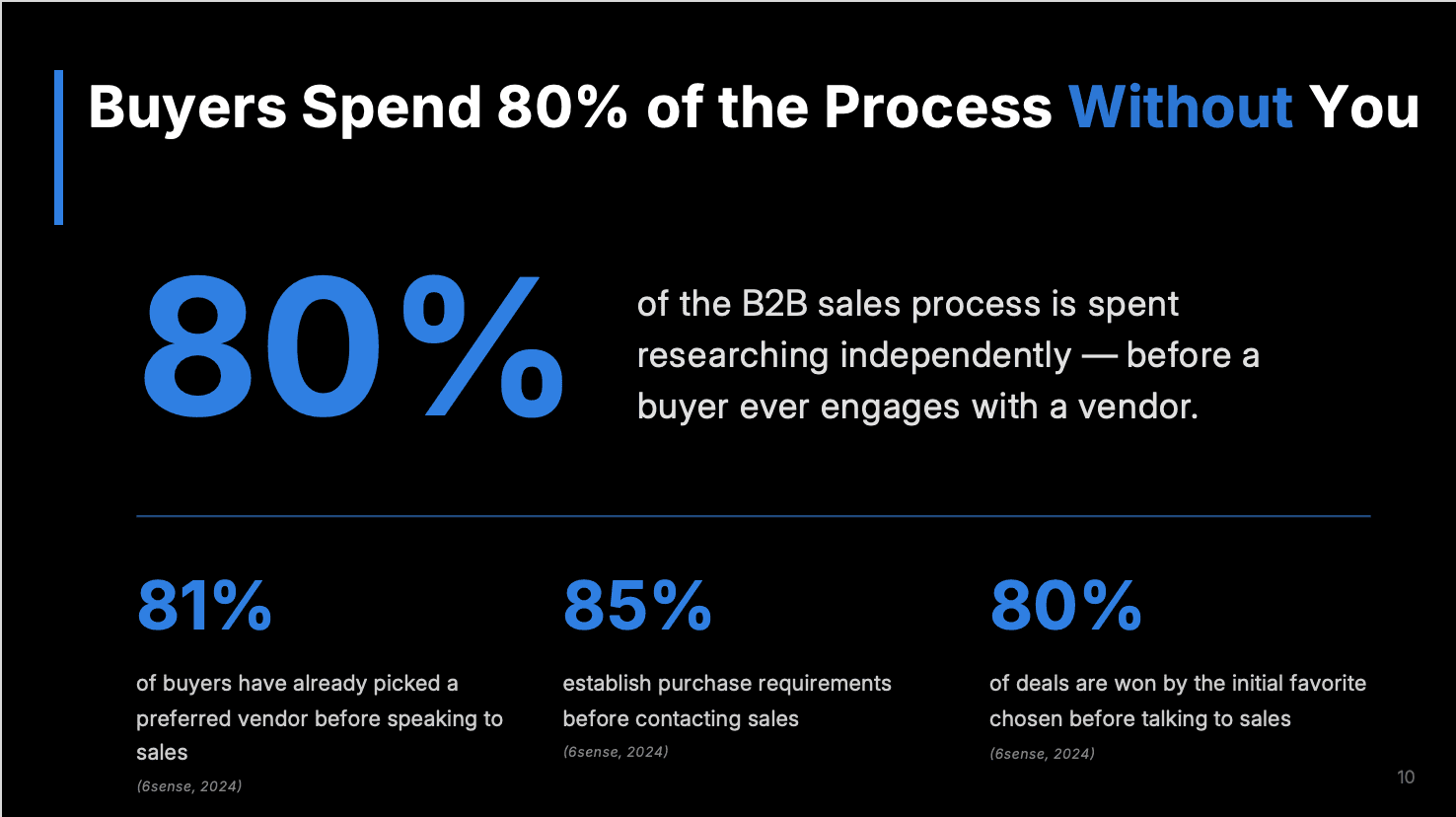
When someone downloads an ebook, they are looking for information. They are not ready to book a sales demo.
But because marketing needs to hit an MQL target, they throw these early-stage researchers over the wall to sales. Sales calls them. The prospect ignores the call because they just wanted the PDF. Sales gets frustrated, marketing gets defensive, and the pipeline stays empty.
What Is The Cost Of Gated Content?
Gating content actively prevents your best prospects from learning about your solution. You're locking your best ideas in a vault and demanding an email address as the key.
We proved this at Blue Triangle. We spent $15,000 over five weeks promoting a gated ebook and got 106 downloads.
That's $142 per lead. Half of them gave us fake emails. A third downloaded it to avoid looking uninformed in a meeting, not because they wanted to buy software.
When we looked at the actual numbers, 3,400 people landed on the ebook page. Only 3% filled out the form.
We were actively preventing 97% of interested visitors from engaging with our content.
Check out the full case study at https://contentmarketinginstitute.com/content-marketing-strategy/cmo-ungated-everything
How To Fix The Pipeline Problem
The solution is to stop gating your content.
Remove the forms. Give away your ebooks, guides, and whitepapers for free.
When we did this at Blue Triangle, we faced serious internal pushback. People wanted to know how we would generate leads and what we would report to the board.
We stopped reporting on leads. We shifted all our reporting to pipeline and revenue.
We also changed how we measured success at the top of the funnel. Instead of cost per lead, we tracked cost per engagement: visitors who spent meaningful time with our content or consumed three or more pages.
What Happens When You Ungate Content?
When you remove the barrier, prospects consume more of your story.
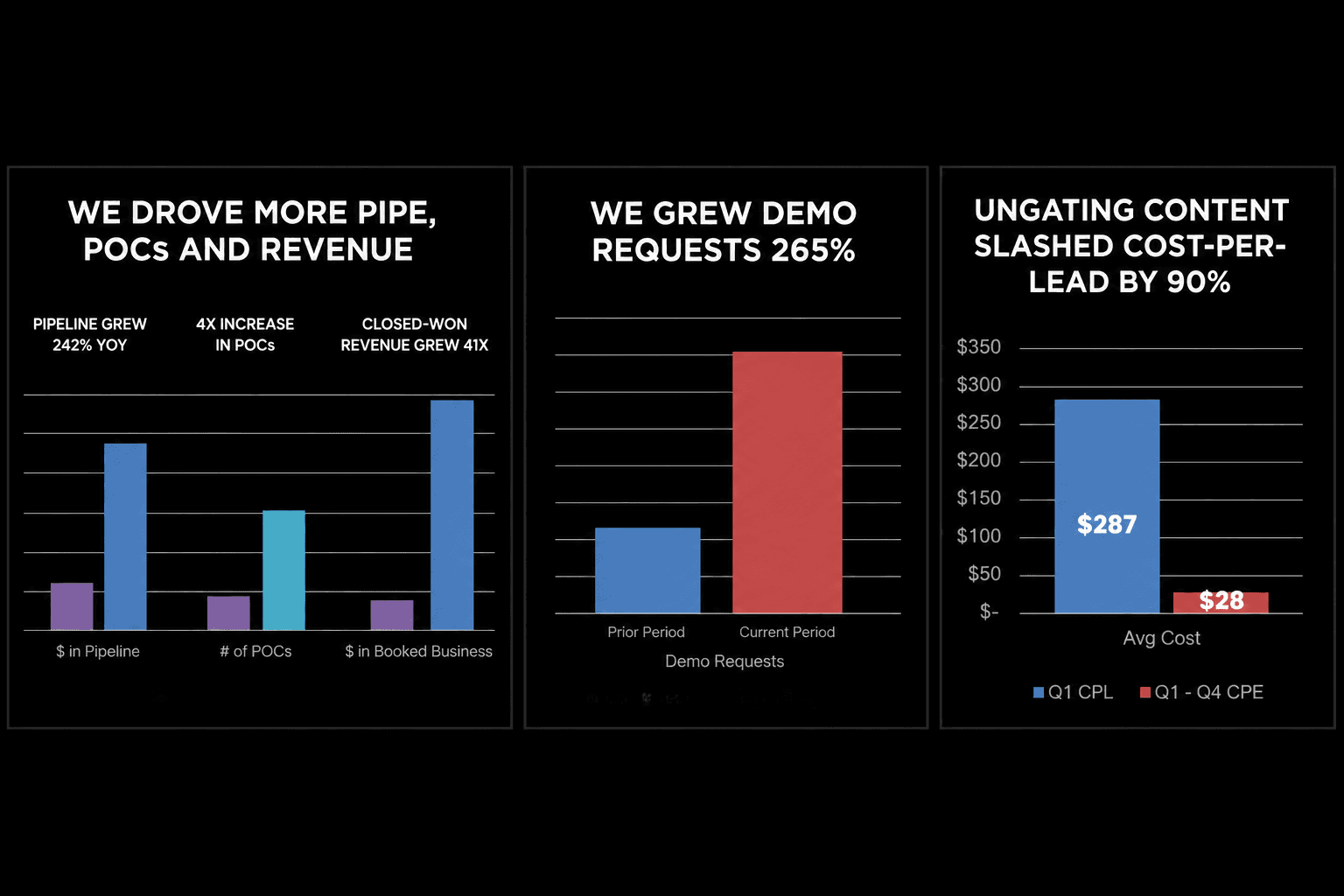
At Blue Triangle, the results after one year were undeniable:
265% increase in demo requests.
242% pipeline growth.
41X increase in marketing-sourced revenue.
Pages consumed per visitor went from 1.2 to 8 per visit.
Cost per engagement dropped 90%.
We also added a simple form at the bottom of the ungated pages: "Want this emailed to you?" Hundreds of people filled it out. Every single email address was real, because they actually wanted the content.
How To Measure Success Without MQLs
If you kill the MQL, you have to measure engagement by account, not by individual lead.
Here's the model we used:
First Engagement: A target company visits the site.
Repeat Engagement: They come back multiple times, indicating an active buying committee.
Active Assessment: They hit high-intent pages like pricing, demos, or case studies.
Demo Request: They ask to speak with sales.
Proof of Concept: They enter the active sales cycle.
Closed Won: Revenue.
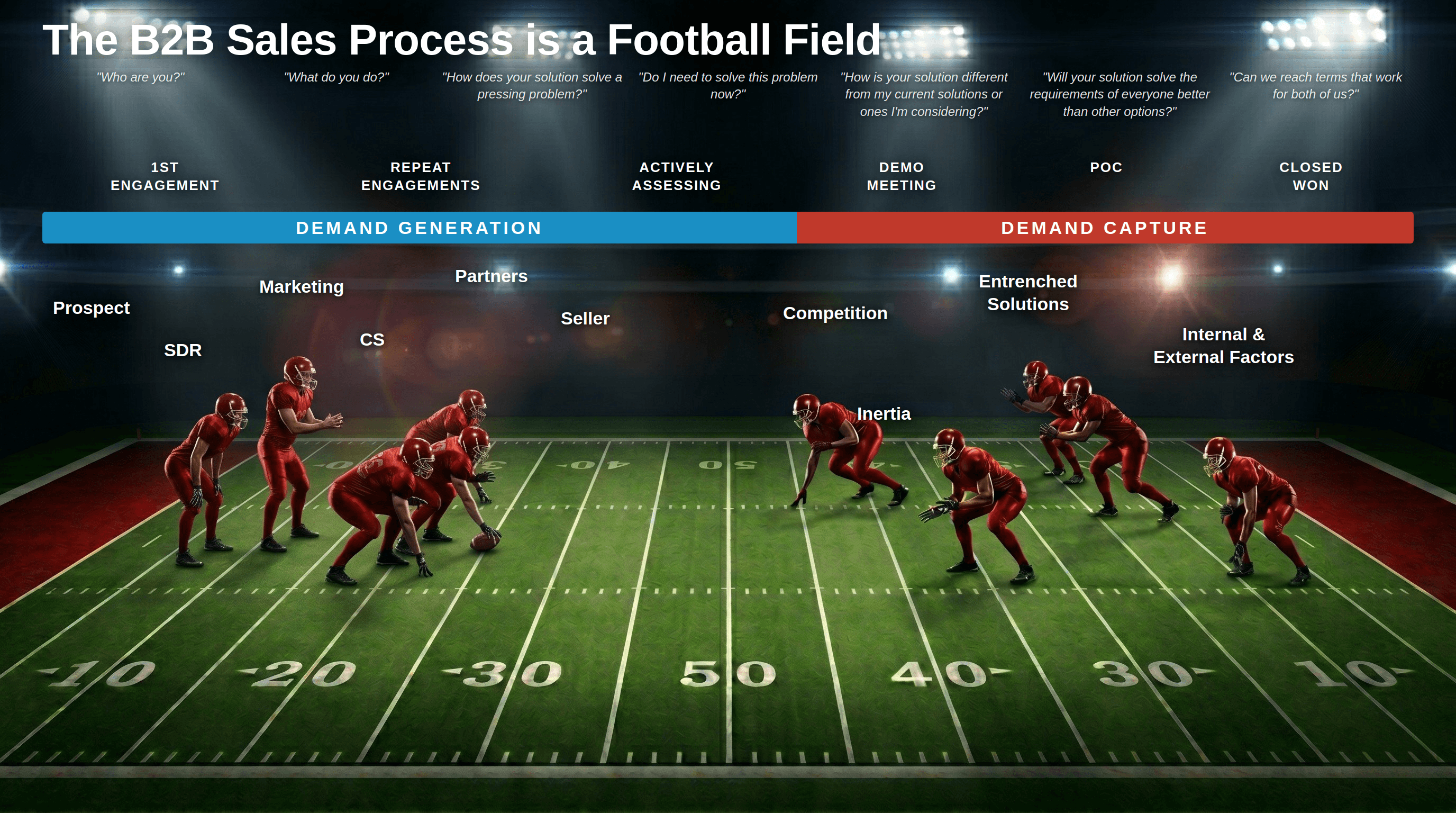
At Blue Triangle, we tracked 478 target companies through this model. 72% hit stage one. 81% of those came back for repeat engagement. 27% moved to active assessment.
The average prospect touched our content 50 to 60 times before requesting a demo.
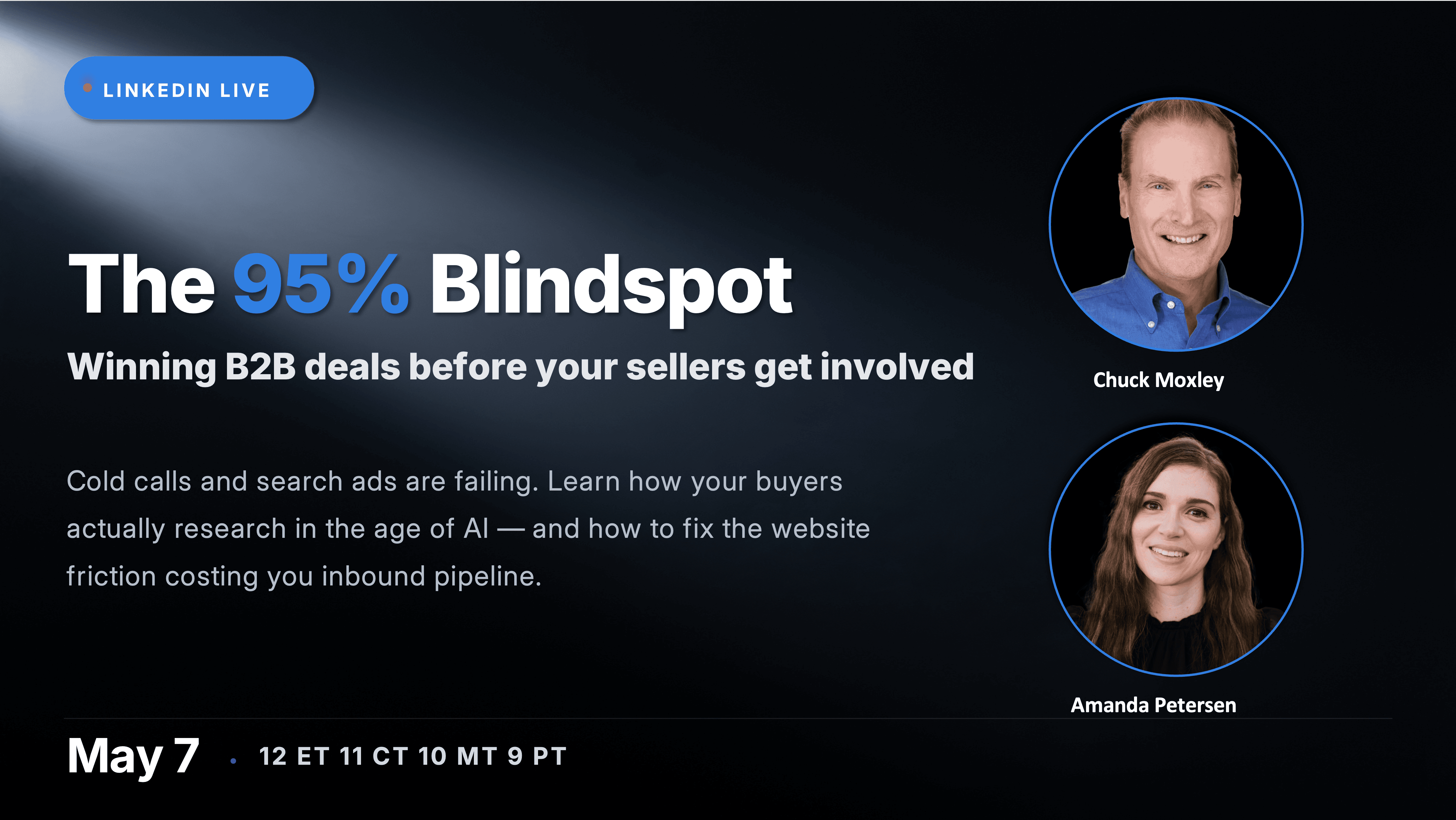
For more on the B2B Buying Process, check out my LinkedIn Live event where I explain it in detail and how to address it with marketing.
Questions People Ask About Ungating Content
How do you know who is visiting your site if you don't have forms?
Tools like 6sense or Clearbit identify which companies are visiting your site and what pages they read. You track account-level intent, even if you don't know the exact person's name yet.
What do you tell your sales team to do if they aren't calling MQLs?
Sales focuses on outbound prospecting to target accounts and responding to high-intent inbound demo requests. They stop wasting time calling people who just wanted to read a PDF.
How do you justify marketing spend without lead volume?
You tie marketing directly to pipeline and revenue. If inbound demo requests and closed-won deals go up, marketing is working. Lead volume is a vanity metric.
Should we ungate everything?
Yes. Every ebook, guide, and resource. The only thing you should gate is a request to speak with sales or a product demo.
What To Do Next
Audit your current lead generation strategy. Look at the last 100 MQLs your marketing team passed to sales. How many of them turned into pipeline? How many gave fake emails?
If the conversion rate is near zero, you are wasting money and burning out your sales team.
Stop gating your content. Let your prospects read your story.