Articles
The "We're Lying" Campaign: How Embracing Skepticism Drove an 8X Increase in Qualified Leads

Quick Answer: When prospects do not believe your product claims, traditional marketing fails. At 4INFO, a mobile ad platform, sales stalled because buyers thought connecting digital ads to in-store purchases was impossible. By running a campaign with the headline "We're Lying" to address this skepticism directly, the company generated an 8X increase in qualified leads and accelerated sales cycles.
The Impossible Solution Problem
Here's a frustrating situation. Your product solves a massive pain point, your current customers love it, and renewals are strong. Yet, your sales team can't seem to close new logos. They get meetings, but the deals stall. You review the pitch deck and the website, and everything explains the features perfectly.
Your explanation is fine. The real issue is that your prospects think you are lying.
After 20 years as a CMO at seven SaaS companies, I've learned that the biggest obstacle to a sale is rarely a competitor. It is disbelief.
At 4INFO, a mobile advertising platform, we faced this exact problem.
We had a core capability: connecting digital ad spend directly to in-store purchases with precise ROI measurement. We had the data to prove it worked, and our existing customers were seeing massive returns. Enterprise prospects, however, were not buying.
Instead of sitting in a conference room guessing why, we went out and talked to them. We conducted focus groups in three cities, speaking with about 120 people, including prospects we had pitched and those we had never met.
The research revealed a fundamental disconnect.
They weren't rejecting our product because they didn't need it. They were rejecting it because they simply couldn't fathom that our technology existed.
We heard comments like:
"Nobody has access to that data! Some guy down on the 4th floor is the only one who has access to that data."
"If a company had figured out how to do this, I would have heard of them by now."
When prospects say things like this, traditional marketing will fail. Showing them another feature list or a generic case study won't change their minds.
The Campaign
We had to address the elephant in the room and lean directly into their skepticism.
We launched a campaign that led with their exact objection.
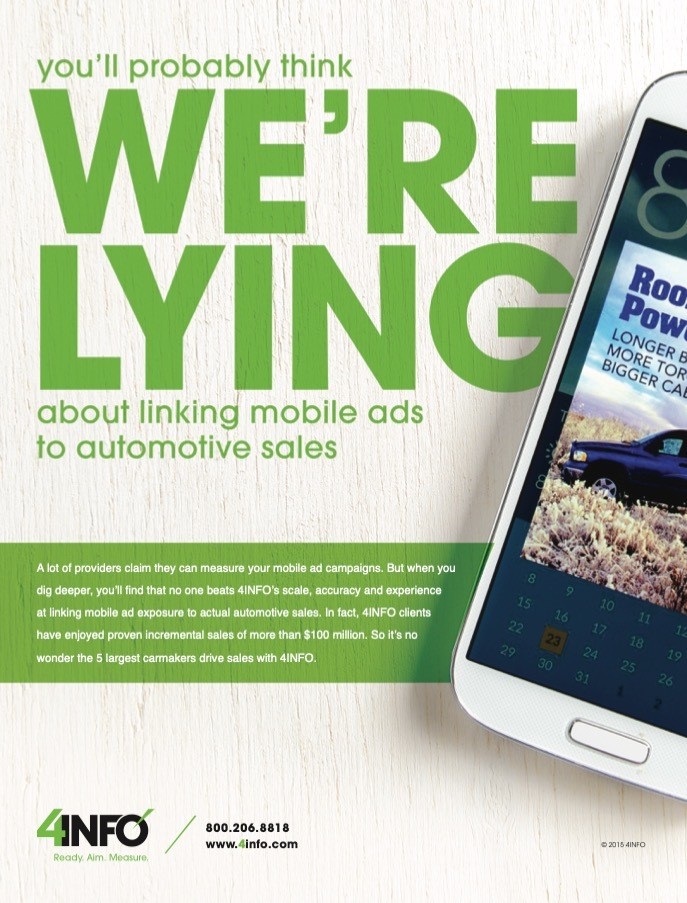
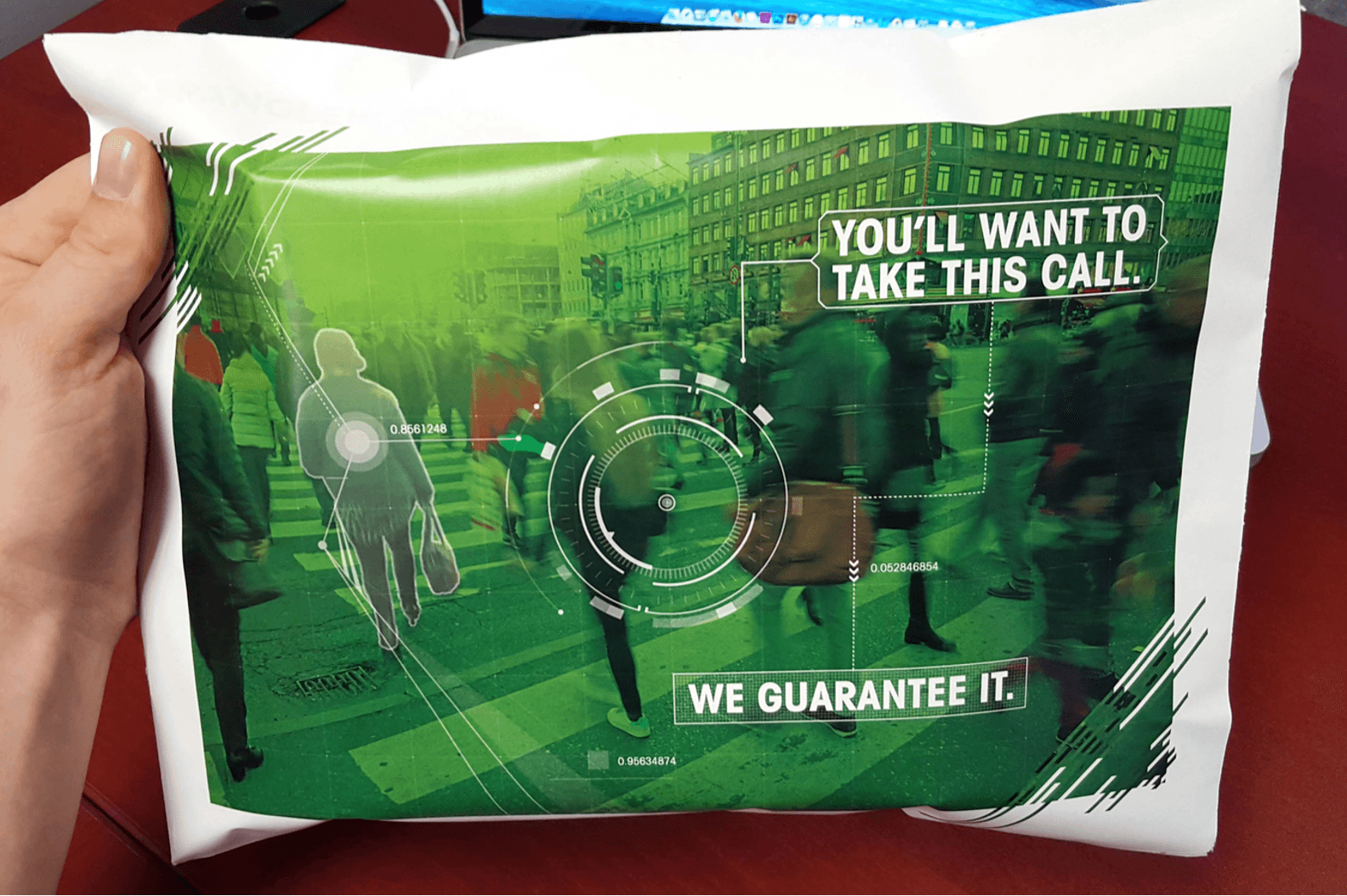
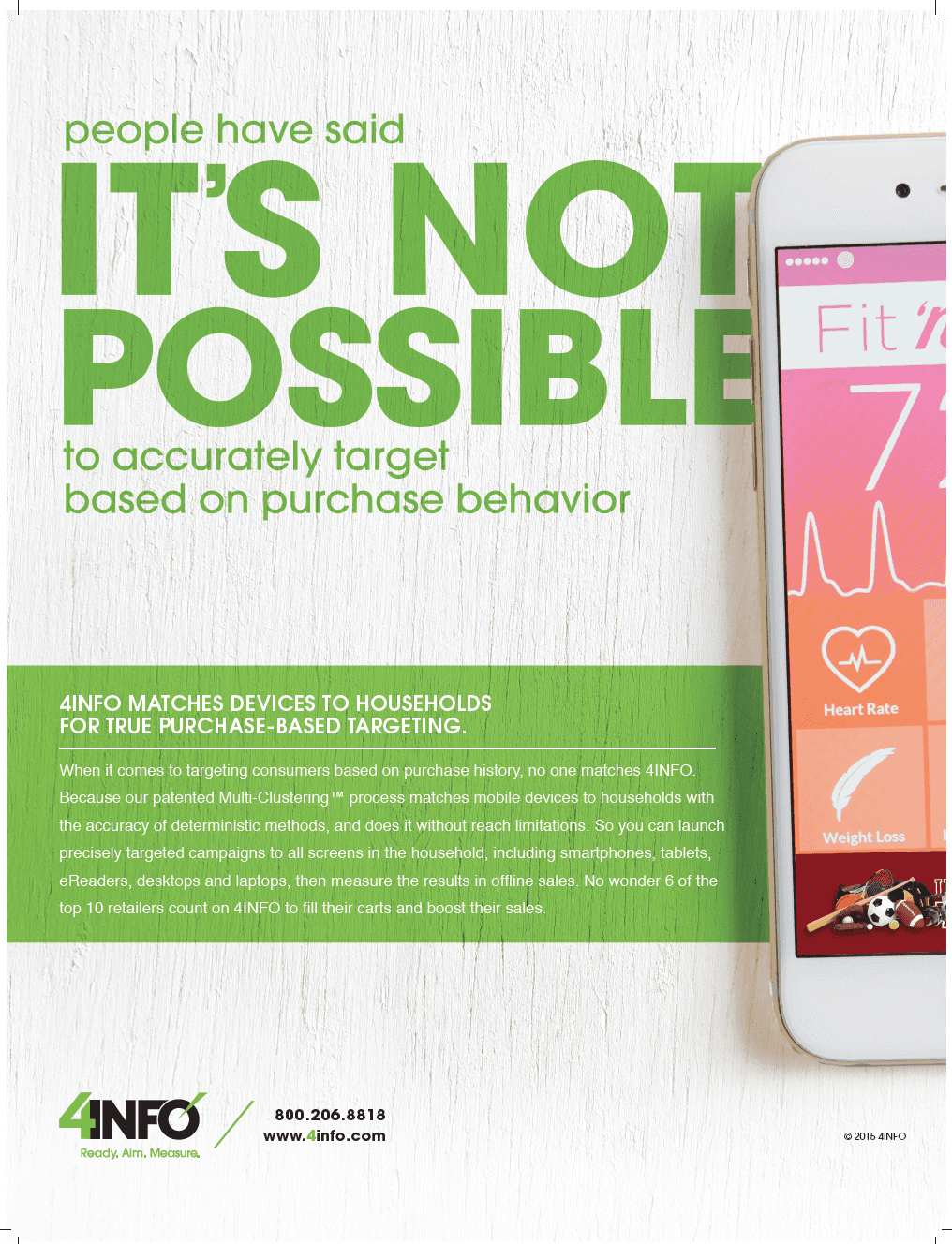
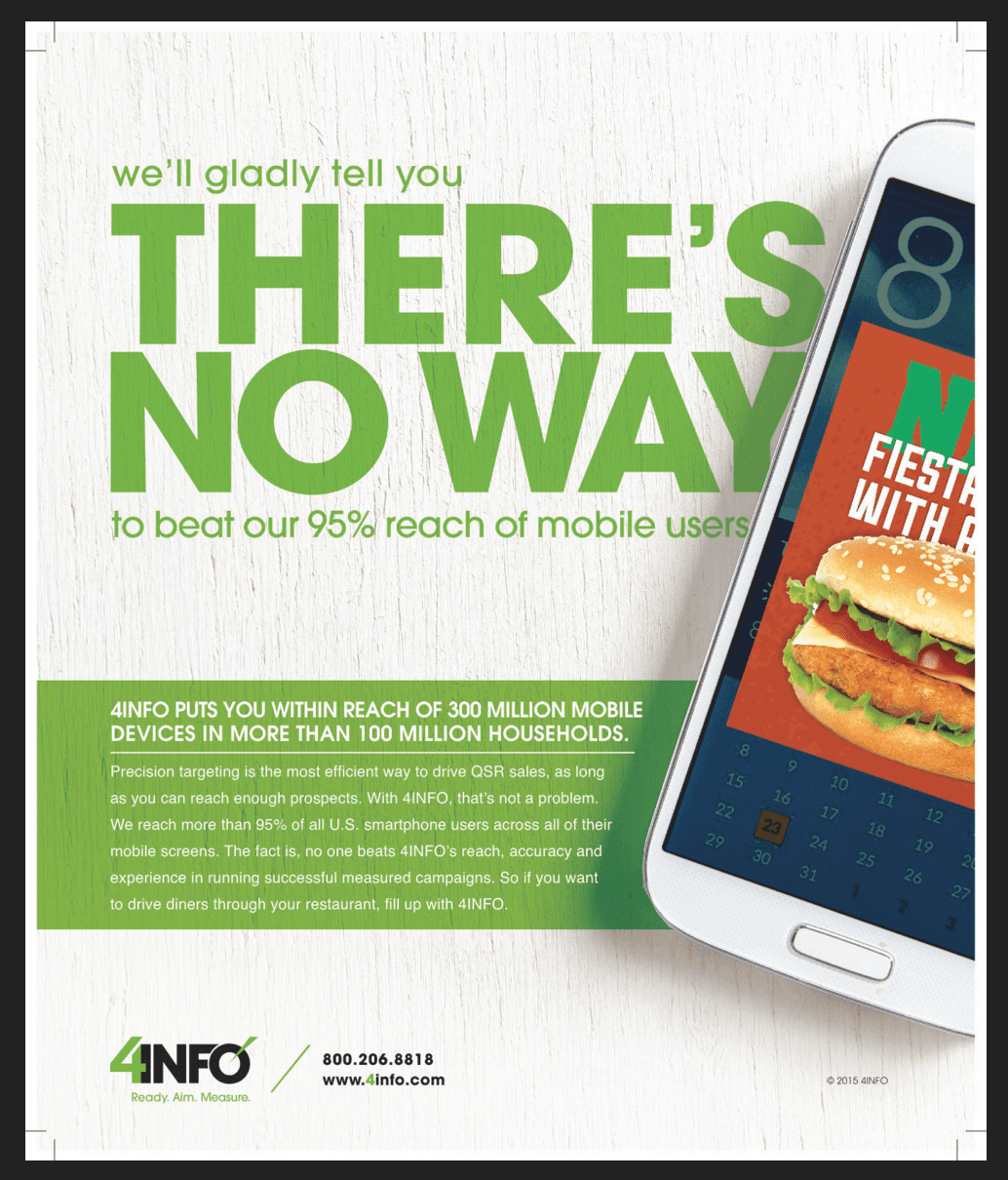
We secured premium placements in AdWeek and AdAge, ran high-impact digital advertising, sent personalized direct mail, and overhauled the entire website. Every single piece of the campaign was anchored by one headline in 100-point type: "We're Lying."
It made our entire sales team nervous. It is genuinely terrifying to lead a pitch by telling the prospect they think you are a liar.
But it worked.
The Results
The campaign shifted the entire dynamic of our sales conversations.
We saw an 8X increase in qualified leads compared to every previous campaign we had run. Sales cycles accelerated because prospects entered the conversations intrigued rather than skeptical. Our market perception shifted entirely. We went from being viewed as an "impossible solution" to an "innovative pioneer."
By calling out their disbelief immediately, we disarmed them. We took their primary objection and made it the exact reason we should talk.
Why This Works For B2B SaaS
When you have a truly innovative product, your biggest enemy is the status quo.
Prospects are used to vendors overpromising and underdelivering. They have been burned by software that claimed to do everything but did nothing well. When you show up with a claim that sounds too good to be true, their default reaction is to tune you out.
Acknowledging their skepticism builds instant credibility. You are essentially saying, "We know this sounds impossible. We know you don't believe us. Give us 15 minutes to show you the data."
You stop selling and start proving.
Questions People Ask About Addressing Skepticism
How do you find out what prospects are skeptical about?
You have to ask them directly. Do not rely on internal assumptions. Conduct win-loss interviews, talk to prospects who ghosted you, or run focus groups. You need the unvarnished truth from the market.
Is it risky to use negative language in a campaign?
It is far riskier to ignore the reason people aren't buying. If they already think you are lying, pretending they don't won't help your sales. Calling out the objection shows confidence.
How do you transition from the objection to the pitch?
Quickly. The headline gets their attention, but the next sentence must offer proof. "You think we are lying. Here is the data that proves we are not." Then, immediately show the case study or the demo.
Does this work for established categories?
This approach works best when you have a truly differentiated claim or a new way of solving an old problem. If you are selling a commodity, you need a different strategy.
What To Do Next
Look at your current sales deck and your homepage. Are you making claims that sound impossible to a skeptical buyer?
If your prospects don't believe your core premise, they won't buy your product. Stop trying to explain the features and start addressing the disbelief.
Our research at 4INFO revealed something no amount of internal guessing would have uncovered. Once we understood the real objection, we addressed it directly, and the pipeline followed.
About Chuck Moxley
Chuck Moxley is a Fractional CMO for B2B and SaaS companies. With over 20 years of experience leading marketing at seven SaaS companies, he helps CEOs fix marketing when it isn't driving pipeline. Connect with Chuck on LinkedIn: https://www.linkedin.com/in/chuckmoxley/
Learn more: https://www.chuckmoxley.com